

Understanding
Chest Pain

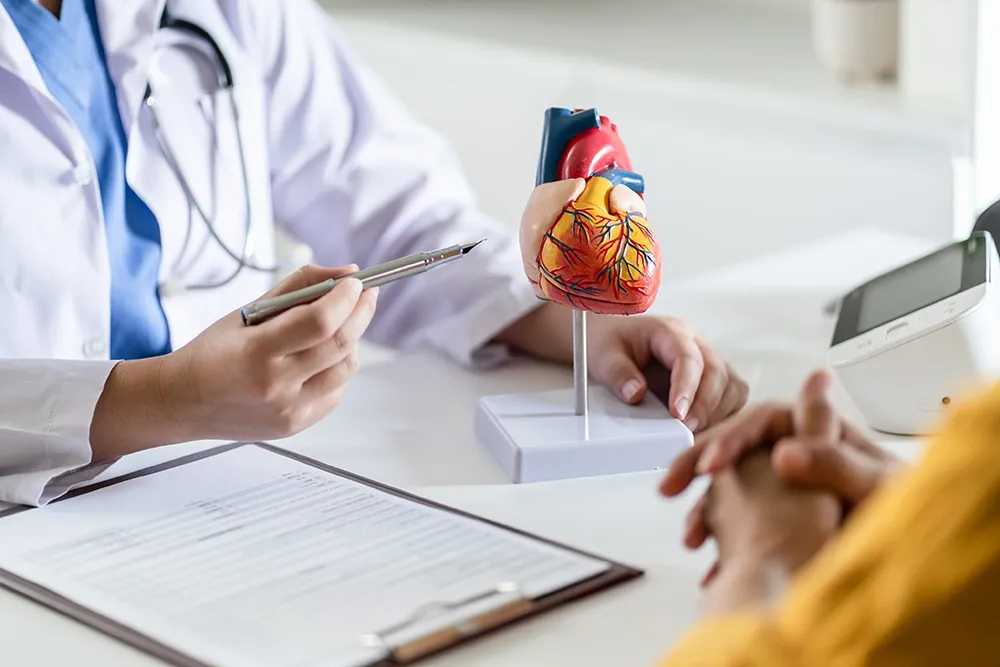
Chest Pain: A Symptom That Deserves Attention
Discomfort in the chest can be unsettling, yet many people hesitate to seek advice. Some assume the sensation will pass, while others are unsure whether it is serious enough to warrant medical attention. In reality, symptoms arising in the chest should not be dismissed too quickly.
The chest contains several organs and structures, which means similar sensations can arise from very different causes. In some cases, the source may be non-cardiac, such as acid reflux, muscular strain, lung inflammation or anxiety-related episodes. However, chest discomfort can also signal problems affecting the heart. When this happens, the underlying issue may involve reduced blood flow to the heart muscle or disturbances in cardiac function. Learning how chest pain behaves and what patterns to watch for can help you respond appropriately rather than relying on guesswork.
Understanding Heart-Related Causes of Chest Pain

Angina
Angina occurs when the heart muscle does not receive enough oxygen-rich blood, usually because the coronary arteries have become narrowed by plaque buildup. When the heart works harder during physical activity or emotional stress, this reduced blood flow can trigger discomfort.
Many people describe angina as pressure, tightness, squeezing or heaviness in the chest. The sensation typically affects the centre or left side of the chest and may spread to the neck, jaw, arm or back. Episodes are often triggered by exertion or strong emotions and may ease with rest.
Risk factors include high blood pressure, high cholesterol, diabetes, smoking and obesity. Although angina itself is not always immediately life-threatening, it often signals underlying coronary artery disease. Without proper treatment, the condition may progress and increase the risk of a heart attack.
Heart Attack (Myocardial Infarction)
A heart attack occurs when a coronary artery becomes suddenly blocked, preventing blood from reaching part of the heart muscle. This blockage is commonly caused by a blood clot forming over a ruptured plaque inside the artery.
Unlike angina, heart attack symptoms usually persist and may become more intense over time. People often experience severe pressure or pain in the chest that may spread to the arms, neck, jaw or back. Shortness of breath, nausea, sweating and dizziness can also occur. Immediate medical attention is critical, as delayed treatment may result in permanent damage to the heart muscle.
Heart Failure
Heart failure develops when the heart becomes unable to pump blood efficiently enough to meet the body’s needs. This condition often arises after years of cardiovascular strain, such as long-standing high blood pressure or previous heart attacks.
While breathlessness and fatigue are common symptoms, some individuals may also experience chest discomfort or pressure. Fluid buildup in the lungs or body may lead to swelling in the legs, reduced exercise tolerance and difficulty breathing when lying down.
Irregular Heart Rhythms (Arrhythmias)
Arrhythmias occur when the electrical signals controlling the heartbeat become disrupted. This can cause the heart to beat too quickly, too slowly or irregularly. Some people notice palpitations, dizziness or brief chest discomfort when the heart rhythm becomes abnormal. These episodes may occur occasionally or persist depending on the underlying cause.
Although some arrhythmias are harmless, others can interfere with effective blood circulation or increase the risk of complications such as stroke. Medical evaluation is important to determine the cause and whether treatment is required.
Take Charge
of Your Heart Health Today

Managing Chest Pain Well with Dr Eric Hong
Understanding the cause of your chest pain is the first step towards effective care. Once a diagnosis is made, treatments can range from lifestyle adjustments and medications to specialised procedures, depending on your condition.
Explore the full range of approaches to see how you can take control of your heart health.
Frequently Asked Questions (FAQs) About Chest Pain
Is chest pain always related to the heart?
How do I know if my chest pain is serious?
Can young and healthy people experience heart-related chest pain?
What tests will I need?
Can lifestyle changes really reduce my risk?
Heart Specialist

Meet Our Heart Specialist
- MB BCh (Ireland), MRCP (United Kingdom)
- FAMS (Cardiology), FRCP (Edinburgh, UK)
- FACC (ACC, USA), FESC (European Society of Cardiology, France)
- Diplomate Nuclear Board of Cardiology (CNBC, USA)
- Cardiovascular Angiography & Interventions (FSCAI, USA)
Dr Eric Hong is one of the few cardiologists in Singapore who is doubly accredited in both interventional cardiology and non-invasive cardiac imaging after completing two ACGME-accredited clinical fellowships in the United States. He was the first Singaporean accepted into the clinical programmes at Brigham & Women’s Hospital, Harvard Medical School, where he completed dual fellowships and contributed to research and development in advanced cardiovascular imaging and next-generation stent technologies.
Upon returning to Singapore, Dr Hong held key leadership roles, including:
- Director of Nuclear Cardiology and Imaging
- Director of Exercise and Cardiac Rehabilitation
- Establishing 24/7 acute cardiology services for heart attack patients
Today, at EH Heart Specialist, Dr Hong focuses on early detection, complex coronary intervention, sports cardiology and preventive heart care, helping patients protect their hearts before emergencies happen.

Dr Eric Hong is one of the few cardiologists in Singapore who is doubly accredited in both interventional cardiology and non-invasive cardiac imaging after completing two ACGME-accredited clinical fellowships in the United States. He was the first Singaporean accepted into the clinical programmes at Brigham & Women’s Hospital, Harvard Medical School, where he completed dual fellowships and contributed to research and development in advanced cardiovascular imaging and next-generation stent technologies.
Upon returning to Singapore, Dr Hong held key leadership roles, including:
- Director of Nuclear Cardiology and Imaging
- Director of Exercise and Cardiac Rehabilitation
- Establishing 24/7 acute cardiology services for heart attack patients
Today, at EH Heart Specialist, Dr Hong focuses on early detection, complex coronary intervention, sports cardiology and preventive heart care, helping patients protect their hearts before emergencies happen.
